
What is a Mala? Understanding the Purpose and Benefits of Mala Beads
Table of Contents:[hide]
What is a Mala?

Mala beads, also known simply as malas, are more than just strings of beads; they are profound spiritual tools that bridge the gap between the physical and the spiritual. Traditionally crafted in India and other spiritual hubs, malas are used across various cultures and religions, including Hinduism, Buddhism, and Tibetan Buddhism. They serve as an anchor for meditation, a symbol of spiritual growth, and a means of connecting with one's inner self.
The Meaning and History of Meditation Beads
The tradition of meditation beads dates back thousands of years. Ancient malas were traditionally crafted from sacred materials like sandalwood, rudraksha seeds, agarwood beads, or gemstones. Agarwood beads, sourced from the resinous heartwood of the Aquilaria tree, hold a revered status due to their deep, woody aroma associated with tranquillity.
Components of a Mala
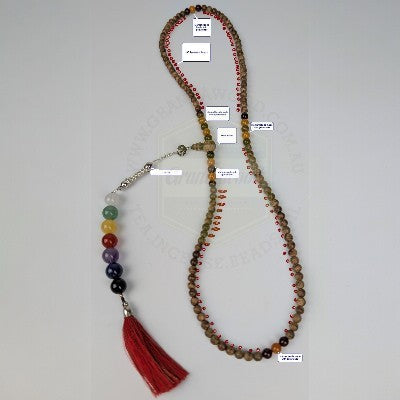
A traditional mala consists of 108 beads, a guru bead, a tassel, and a string. To understand how these parts fit together, refer to the diagram below.
The Guru Bead

It represents the teacher or spiritual guide. The guru bead is positioned at the end of the mala as a starting and finishing point for the mantra recitation. It symbolises respect for those who impart spiritual wisdom. The practitioner does not cross over the guru bead but instead reverses direction to continue meditation.
The Tassel

The tassel is optional, often attached to the guru bead, and symbolises enlightenment and the lotus flower's purity. It represents the ability of the mind to transcend human desires.
The String

The string that binds the beads together represents the interconnectedness of life, unity, and the eternal essence of existence.
Symbolism and Energetic Impact of Malas
Every element of a mala carries spiritual and energetic significance. A mala becomes a repository of spiritual energy, holding the intentions and prayers of its user.
- Guru Bead: Represents wisdom and guidance.
- Tassel: Symbolises enlightenment and purity.
- Beads: Absorb the vibrations of mantras, amplifying their energy.
Setting Intentions with Meditation Beads
Before starting, setting an intention is crucial. Choosing the right beads based on their spiritual properties can enhance your ability to hold focus. If you are seeking calmness, agarwood beads may be the perfect companion.
Materials Used in Malas
The materials used to craft mala beads are not chosen arbitrarily; each type carries specific energies.
Wooden Beads
- Sandalwood: Believed to enhance spiritual energy and foster tranquillity.
- Tulsi Wood: Symbolises devotion and purity in Hinduism.
Rudraksha Seeds

Originating from the sacred rudraksha tree, these are considered powerful tools for spiritual healing, believed to align energies and reduce stress.
Gemstones

Semi-precious stones such as amethyst, rose quartz, and turquoise have unique healing properties, allowing practitioners to choose malas that align with their intentions.
Agarwood

Highly valued for its aromatic qualities, agarwood enhances mindfulness. Known for its deep, resonant aroma, it grounds the user and enhances the cognitive benefits of meditation practice.
Variations in Mala Designs
- Bead Count: While 108 beads are traditional, smaller malas with 27 or 54 beads are common for portability.
- Marker Beads: Placed at intervals to help practitioners track progress.
- Bracelets: Made with fewer beads for everyday wear.
The Science Behind Malas
Malas have been shown to positively impact mental and physiological well-being. The repetition of mantras and the tactile use of malas can enhance focus and reduce stress. Studies indicate that meditation practices influence brain networks associated with stress reduction (Nature Reviews Neuroscience).
Benefits of Mala Beads
Mala beads increase focus during mantra meditation, provide an efficient way to count mantras, and can reduce anxiety and stress through the rhythmic movement of the beads.
How to Use a Mala in Meditation Practice
A mala aids in repeating mantras or prayers. The beads are moved through the fingers while repeating a mantra. The specific hand positioning is vital for the flow of energy and focus.
During meditation, a beginner's mind often wanders. To help them concentrate, a mala is introduced.
- Choose a Comfortable Seat: Sit in a quiet place.
- Select a Mantra: Pick a mantra like “Om” or “So Hum.”
- Begin with the Guru Bead: Hold the mala with your thumb and index (or middle) finger, starting near the guru bead.
- Move Through the Beads: Slide each bead between your fingers with each repetition. Note: Some traditions suggest using the thumb to move beads over the middle finger, avoiding the index finger which represents the ego.
- Pause at the Guru Bead: When you reach the guru bead, reflect, then reverse direction. Do not cross over it.
Cultural Variations in Mala Use
Hinduism: Malas are typically draped over the middle finger of the right hand and moved with the thumb.
Buddhism: Used to count breaths and recite prayers.
Tibetan Buddhism: Often include materials like bodhi seeds and bone.
Japanese Buddhism: Known as "ojuzu," these vary in use by sect.
Care and Cleansing of Malas
Malas require physical care to maintain their significance. They should be handled with reverence and can be cleansed regularly (using smoke, sound, or moonlight) to maintain their energetic properties.
Choosing the Right Mala Beads
Follow your heart and listen to your inner voice. Consider the purpose, the material's energy (like the grounding scent of Agarwood), and the colour.
History and Significance of Malas
Originating in ancient India, the use of malas spread with Buddhism to Tibet, China, and Japan. The number 108 is sacred in many Eastern religions. Historically, they serve as a bridge between the material and the spiritual, helping to deepen meditation and foster a connection to the divine.

Leave a comment
Comments will be approved before showing up.