
Tabu-no-ki, Machilus thunbergii, makko, joss powder, incense binder
Hi all
I got some questions on online chat, so I decided to compose the below
| Natural Incense Adhesive Name | Category / Nature | Primary Botanical Source | Usage | Scent Profile | More information | How to use |
| Tabu-no-ki (椨の木) | Common Japanese tree name | Machilus thunbergii | Refer to the actual living tree harvested for its mucilaginous inner bark. People use it as incense binder |
Natural raw wood |
Refers to the physical tree native to Japan, not a processed powder. Belonging to the laurel (Lauraceae) family. |
50% to 65% Tabu-no-ki to 35% to 50% aromatic materials (such as finely ground agarwood, sandalwood, herbs, or spices). Always use warm, distilled, or filtered water. Warm water activates the water-soluble mucilage much faster than cold water. Water proportion: For Makko / Tabu-no-ki: Water is usually 30% to 40% of the total dry weight (e.g., for 100 g of dry powder, prepare roughly 35 ml to 40 ml of water).
|
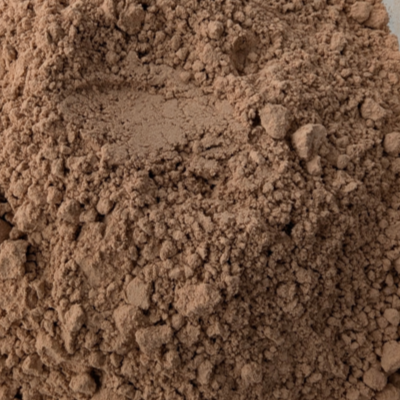
| Makko (Raw material) | Raw ingredient / Single-origin powder | 100% Machilus thunbergii bark | Natural water-soluble binder and combustible burn base for stick and cone crafting | Virtually neutral, very faint wood aroma | Pure ground bark used internationally as the premier binder for delicate aromatics like agarwood. | Same as above |
|
Makko Shoyeido (Commercial blend) |
Finished commercial product | Proprietary blend by Shoyeido (spices, herbs, cinamon sandalwood, tabu base) | Designed specifically to be laid down as a trail in an incense burner or used directly as loose incense |
Rich, sweet, traditional Japanese temple fragrance. Distinctly aromatic (cinnamon, clove, sandalwood, camphor) |
A branded, pre-scented finished blend from the Shoyeido incense house. You can use this as a base to add your own incense powder | Same as above |
| Joss Powder | Raw ingredient / Commercial binder | Primarily Litsea glutinosa (sometimes mixed with L. monopetala) | Industrial binder and combustible base across Southeast Asia, Vietnam, Thailand China, India | Neutral to slightly herbal / earthy when burning | Sourced from a botanical cousin of Machilus; generally offers stronger adhesion per gram, but lower grades can carry herbal undertones. |
Ratio 10% Joss powder to 90% aromatic materials. Sometimes, people use 15% and max at 20% ratio. Anything more than this may not burn |
| Incense Binder | Broad functional category All of the above are all incense binders. There are more per the below table. This is a general terms |
Various (Machilus, Litsea, gums like guar or tragacanth, starches) | Umbrella term for any adhesive component that holds incense dough together | Varies from completely scent-free to pungent | A functional classification rather than a specific material; can be botanical bark, pure tree gum, or synthetic glue. |
| Natural Incense Adhesive Name | Origin / Source | Physical Consistency | Application in the Book | How It Functions as a Binder |
| Gum Arabic | Hardened tree sap (Acacia) |
Dry powder dissolved in water
|
Crafting shaped incense cones
|
Dissolved in water (1 part powder to 2 parts water) to produce a viscous liquid that binds dry powders into shapeable cone dough.
|
| Honey / Tree Honey | Bee byproduct |
Thick liquid / viscous syrup
|
Pellets and kneaded incense (Lugal Banda, Kyphi)
|
Adds moisture and tackiness, binding finely ground resins, woods, and herbs into a pliable mass rolled into pea-sized balls.
|
| Sultana Raisins & Red Wine | Dried grapes macerated in wine |
Blended paste
|
Foundation for traditional Kyphi recipes
|
Raisins are soaked overnight in red wine and processed in a mixer to create a sticky, moist pulp that holds dry ingredients together.
|
| Labdanum |
Rockrose resin (Cistus creticus / C. ladanifer)
|
Dark brown, waxy, glutinous resin
|
Pellets and kneaded incense mixtures (Ariadne's Meadow, Island of the Blessed)
|
Acts directly as a dough base when soft or slightly warmed, absorbing dry powders to form solid pellets without water.
|
| Storax Gum |
Bark balsam of Liquidambar orientalis
|
Thick, sticky, glutinous dark balsam
|
Pellets and ancient blends (Afternoon of a Faun, Lugal Banda)
|
Kneaded directly in liquid or semi-liquid form into dry powders to turn the blend into shapeable pellets.
|
| Galbanum |
Oleoresin from Ferula species
|
Glutinous, sticky resin
|
Pellets and pressed incense (Lugal Banda)
|
Worked with a mortar and pestle to integrate and bind loose botanical powders into cohesive pellets.
|
| Mastic Resin |
"Tears" from Pistacia lentiscus
|
Hard, brittle resin tears
|
Traditional natural adhesive and incense base
|
A natural resin noted in the text for its historical use as an effective glue.
|
Để lại một bình luận
Bình luận sẽ được duyệt trước khi hiển thị.