
A Cultural History of Daily Incense and Why Pure Smoke Matters
For thousands of years, across nearly every major civilisation on Earth, humanity has looked to aromatic smoke as a universal bridge between the earthly and the divine. Long before fragrance was packaged into synthetic spray cans or fashion perfumes, the act of burning botanical woods and resins was an essential discipline of daily life, timekeeping, and domestic protection.
Whether lit on a family altar in Kyoto, wafted across an open veranda in Muscat, or offered at sunrise along the banks of the Ganges, sacred smoke has held a singular, revered purpose: carrying intentions upward while returning tranquility back down.
The Daily Rhythms of Smoke Across Civilisations

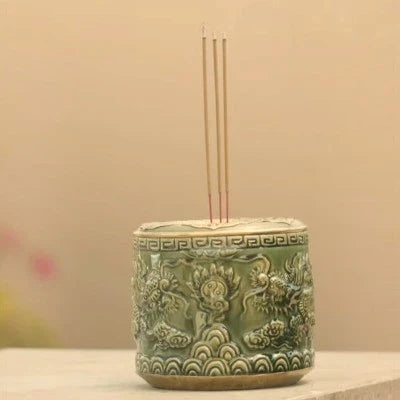
Image by Bao Tram
Burning incense was rarely reserved solely for grand temple ceremonies. Instead, it was woven into the quiet, daily domestic fabric of ordinary households.
1. East Asian Domestic Altars and Scholarly Contemplation
In Chinese and Japanese traditions, domestic life centered on ancestral reverence and mindfulness.
-
The Ancestral Altar: In traditional Japanese homes, Buddhist altars (Butsudan) and Shinto shelves (Kamidana) are tended daily. Lighting an incense stick (Senko) or burning coils before ancestral tablets serves as an unbroken line of communication, expressing filial piety and gratitude. The circular spiral of coil incense symbolised infinity and continuous memory.
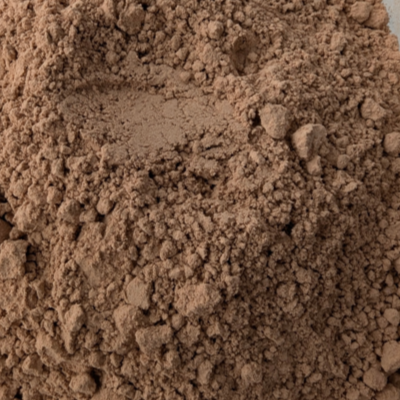
 Agarwood Coil Incense
- The Four Scholar Arts: During the Song Dynasty in China, incense appreciation (Xiangdao) was elevated to one of the "Four Arts of the Scholar", alongside tea ceremonies, calligraphy, and flower arranging. Literati burned single sticks of agarwood or sandalwood in their private studies to clear mental clutter before composing poetry.
- The Incense Clock: Because finely blended botanical incense burns at a remarkably consistent rate, burning a stick of incense (Yi Zhu Xiang) was historically used as an everyday unit of time, measuring intervals of meditation, reading, or night-watch shifts.
2. Vedic Traditions: Morning and Evening Fire

Photo by Rajesh Mishra on Unsplash
In Hindu domestic life, the ritual fire (Agni Hotra) is accompanied twice daily by fragrant smoke offerings (Pooja).
- Morning and dusk offerings purify the home atmosphere, dispel negative energy, and invite positive spiritual forces into the living quarters.
- From temple shrines to simple roadside stalls, the burning of botanical paste (Dhoop) and bamboo-cored sticks (Agarbatti) remains a living, daily devotion to the sacred.
3. Middle Eastern Hospitality and Sacred Spaces
In Arabian, Levantine, and Ottoman cultures, aromatic wood known as Ud (Agarwood) and frankincense resins are burned daily.

- The act of passing a smoking censer (Mabkhara) among guests is the highest gesture of welcome and respect.
- Beyond welcoming visitors, sweet wood smoke is traditionally used to perfume linens and robes, acting as a therapeutic fumigant that cleanses stale air and calms the nervous system.
4. Indigenous Cleansing: Smoke as Living Medicine
Across North American Indigenous practices, smouldering sacred herbs like cedar, white sage, and sweetgrass is understood not merely as pleasant fragrance, but as medicine.
- Smoke is gently directed toward the head, heart, and earth to clear negative thoughts and ground the human spirit before prayer.
- The principle remains universal: physical matter gives way to invisible essence, uplifting the mind toward something higher.
When a Sacred Practice Causes Physical Distress
Despite the rich, universal heritage of incense, many people today find it difficult to sustain a daily burning practice at home.
You may light a stick with the sincere intention of meditating, reading, or offering your morning prayers, only to experience immediate physical irritation:
- Your eyes begin to water and sting within three to five minutes.
- A dry, scratchy tickle catches in the back of your throat, provoking a cough.
- The air feels heavy, dusty, and stifling, forcing you to extinguish the stick and open your windows.
When this occurs, it is easy to assume that your body is simply allergic to incense, or that all smoke is inherently toxic.
The historical reality is quite different: traditional sacred smoke was never meant to make you weep.
The Economics of Modern Incense: Sawdust and Solvents
The discomfort experienced with modern mass-market incense is almost always caused by how commercial products are manufactured.
Authentic aromatic woods such as high-grade agarwood and natural sandalwood are among the most expensive botanical materials on the planet. Yet, mass-market retail demands packets of one hundred sticks that sell for only four or five dollars.
When packaging, international freight, and retail margins are deducted from a five-dollar box, the manufacturer often has only a few cents left for the ingredients. To produce incense at that price:
- Manufacturers use cheap, scentless filler sawdust or paper pulp.
- They bind the powder with synthetic chemical glues to keep it clinging to the stick.
- They dip the dried sticks into synthetic fragrance oils and solvent fixatives to imitate real botanical scent.
When lit, these synthetic fragrance oils and artificial glues combust into harsh chemical fumes. You are not smelling aromatic wood; you are inhaling vaporised petroleum-based fragrance oils. This is precisely why your eyes burn and your throat scratches.
The Return to Purity: Incense as It Was Intended

In traditional incense philosophy, an offering must be pure. Offering artificial chemicals on a sacred altar or burning synthetic smoke in a meditation room contradicts the entire purpose of the ritual.
When made honestly, pure botanical incense behaves very differently:
- The Smoke is Light: It rises in a slender, translucent ribbon rather than thick, grey clouds.
- The Scent is Grounded: It carries a subtle, dry, woody warmth rather than a sharp, cloying perfume.
- The Body Stays at Peace: It does not sting the eyes, irritate mucous membranes, or leave a chemical headache behind.
A Farmer-Direct Solution: Spiritual Communicator
At Grandawood, we believe that daily ritual should never come at the expense of your health or your home's air quality.
To restore honesty and purity to the daily stick, we produce our Spiritual Communicator - A Tearless Ritual Incense directly on our family plantation in Binh Phuoc, Vietnam.
Instead of cheap mystery sawdust and synthetic dipping oils, each stick contains only three honest botanical ingredients:
- Spent Agarwood Wood Pulp: After we extract pure agarwood oil through water and steam distillation, the remaining natural wood retains its grounding, authentic woody character. It is dried, finely milled, and repurposed, ensuring that nothing from the sacred Aquilaria tree goes to waste.
- Natural Tree Bark Binder: We use pure, natural powder derived from the bark of Litsea Glutinosa, a light woody botanical powder that binds the wood without artificial chemicals or petroleum glues.
- A Clean Bamboo Core: A slender splint of natural bamboo that provides structural support and burns cleanly.
Because there are zero chemical additives, artificial perfumes, or toxic combustion agents, Spiritual Communicator burns with a gentle, tearless smoke. It provides over 96 hours of cumulative burn time per 100-gram box (approximately 145 sticks), giving you an unhurried, peaceful atmosphere for every morning chant, evening meditation, or ancestral offering.
If you are seeking a heavy, perfumed stick that aggressively overpowers your house, this incense is not designed for that purpose. But if you wish to honour your sacred space with honest wood, clean air, and an ancient, tearless ritual, you can explore the Spiritual Communicator incense on our store.
留个言
张贴前管理员会先审核您的留言
延伸阅读


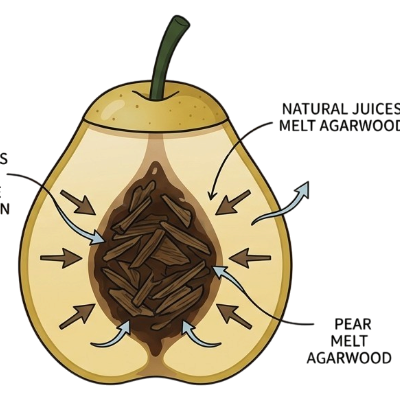

It Scorched - How a fallen king unlocked an intoxicating scent in imperial history.
A recipe of Agarwood incense , no burnt, no bitter aroma